The Allure of Casino Games
Casino games are designed to attract players through a combination of excitement, potential rewards, and sensory stimulation. The bright lights, engaging sounds, and vibrant colors create an immersive atmosphere that beckons players to participate. This environment triggers the brain’s reward system, releasing dopamine, which enhances feelings of pleasure and reinforces the desire to play. As players engage, they often become absorbed in the experience, leading to increased time spent at tables and machines. Additionally, many people are attracted to the option of uk online casinos not on gamstop to experience this thrill.
The allure of winning also plays a crucial role in attracting players. The unpredictable nature of games such as slots and roulette can lead to a phenomenon known as intermittent reinforcement. This psychological principle suggests that sporadic rewards can create habits that are difficult to break. When players win, it solidifies the belief that they can win again, driving them to continue playing even after losses.
Cognitive biases are an essential aspect of player behavior in casinos. For instance, the gambler’s fallacy leads players to believe that past outcomes affect future results, such as thinking that a slot machine is “due” for a win after a series of losses. This flawed thinking can keep players engaged longer than they might have intended. Additionally, players often underestimate the odds, believing that skill plays a more significant role than it does in games of chance, further fueling their desire to engage.
Moreover, casinos utilize various psychological triggers to encourage increased play. Techniques such as providing complimentary drinks, creating loyalty programs, and designing games with near-miss outcomes keep players feeling as though they are on the verge of a win. This feeling of being close can be enough to drive continued participation, making it crucial for casinos to understand how to manipulate these psychological triggers effectively.
Social interactions in a casino environment also significantly impact player behavior. Many people view gambling as a social activity, often playing games in groups or enjoying the atmosphere with friends. This interaction can enhance the overall experience, making it more enjoyable and enticing. The communal aspect of games like poker or blackjack fosters a sense of competition and camaraderie that can draw individuals to return repeatedly.
Furthermore, the presence of other players can create a psychological phenomenon known as social proof. When individuals see others winning or enjoying themselves, they may be more inclined to participate, believing that they too can experience similar success. This dynamic becomes particularly powerful in crowded environments where excitement is palpable, further driving player engagement.
One of the most complex aspects of gambling psychology is how individuals handle losses. Many players experience a phenomenon known as “loss chasing,” where they attempt to recoup their losses by continuing to play, often leading to even greater financial setbacks. This response is often fueled by a combination of hope and denial, as players may convince themselves that their next bet will turn their fortunes around.
The illusion of control is another critical factor at play. Players often believe they can influence the outcome of games through strategies or personal skills, even when the games are purely chance-based. This belief can perpetuate gameplay, as individuals feel empowered to affect outcomes. Understanding this mindset is essential for casinos to manage their clientele effectively and for players to recognize when they’re falling into detrimental patterns.
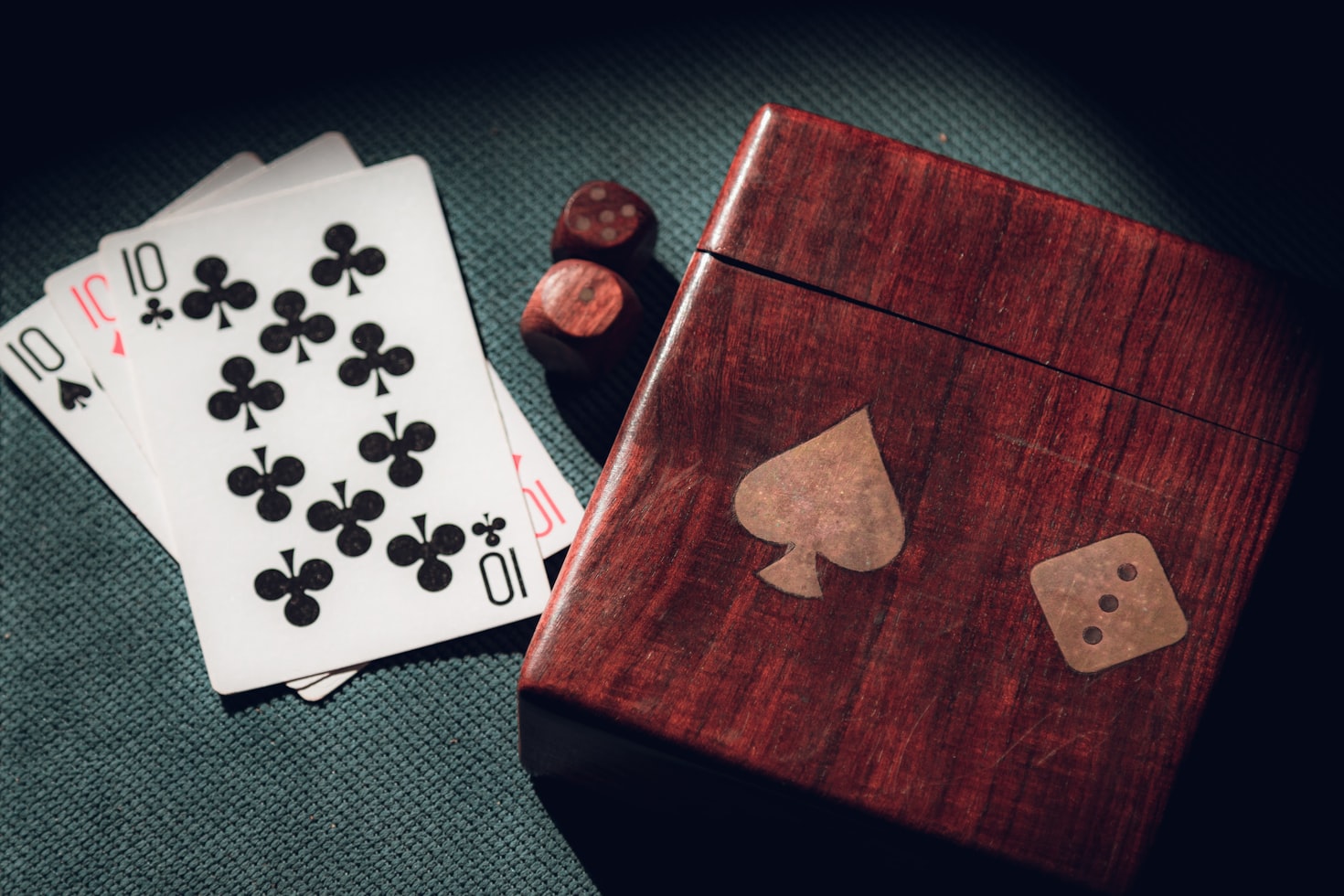
Understanding the psychology behind casino games and player behavior offers valuable insights into why individuals engage in gambling activities. By comprehending the triggers and motivations that drive players, both casinos and individuals can make more informed choices. Recognizing the allure, cognitive biases, social dynamics, and responses to wins and losses can pave the way for healthier gambling practices.
For those interested in exploring the impact of gambling on behavior or seeking assistance with gambling-related issues, numerous resources and organizations are available to provide guidance and support. It’s essential to stay informed and understand the psychological nuances of casino games and their effect on individual behaviors. Together, we can foster a healthier approach to gambling and create a more aware community.