The Role of Emotion in Game Selection
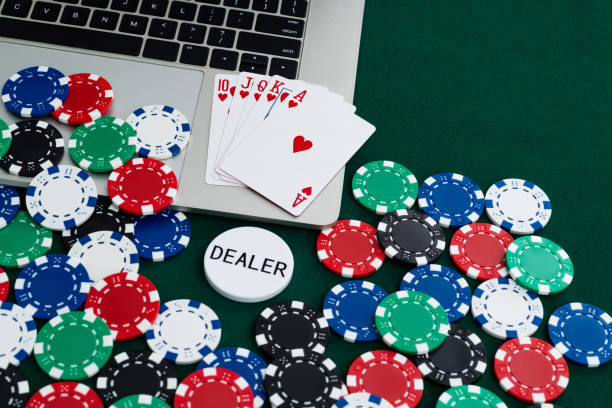
When individuals enter a casino, their emotions significantly influence their game choices. The thrill of gambling is often tied to feelings of excitement and anticipation. Players may gravitate toward games that evoke strong emotional responses, such as high-stakes poker or vibrant slot machines. Additionally, many bettors now turn to online betting sites, seeking not only financial rewards but also stimulating entertainment.

An understanding of this emotional aspect can help casino operators design environments that enhance the gaming experience. By manipulating lighting, sounds, and even game layouts, casinos can encourage players to engage more deeply with specific games. This emotional engagement can lead to longer play sessions, which ultimately benefits both players and the casino.
Risk Tolerance and Game Strategy
Different players possess varying levels of risk tolerance, which directly impacts their game strategies. Some individuals may prefer high-risk, high-reward games like roulette, where the thrill of a large payout is a predominant attraction. Others might opt for games with lower volatility, such as blackjack or video poker, where they perceive better control over their bets and outcomes.
This variance in risk tolerance not only influences the types of games chosen but also affects strategic approaches. Players who favor high-risk games may adopt a more aggressive betting strategy, while those who prefer lower-risk options may play more conservatively, focusing on calculated decisions and bankroll management.
The Influence of Cognitive Biases
Cognitive biases play a critical role in how players approach casino games. For instance, the illusion of control can lead a player to believe they can influence the outcome of a game, despite it being purely based on chance, such as in slot machines. This mindset can result in repeated gameplay and increased betting as they chase the feeling of control.
Furthermore, the gambler’s fallacy often misleads players into believing that past outcomes affect future results. For example, after a series of losses in blackjack, a player might assume that a win is “due,” leading them to increase their bets. Understanding these biases can help both players and casinos design strategies to manage expectations and encourage responsible gambling practices.
The Social Aspect of Casino Gaming
The social dynamics within casinos significantly affect game selection and strategies. Many players enjoy the camaraderie found at table games like craps or poker, where social interaction is a key element. Engaging with others can enhance the experience, often leading to prolonged gaming sessions as players enjoy the shared excitement and competition.
This social aspect can also influence betting strategies, as players may adjust their approach based on group dynamics or peer pressure. Being part of a crowd can create a sense of belonging that impacts decision-making, leading players to take risks they might not take if playing alone. This social interaction can enrich the overall gaming experience and may even encourage players to try new games or strategies they would typically avoid.
Enhancing Gaming Experience through Informed Choices
Our platform offers invaluable insights for both seasoned bettors and newcomers to the gaming world. By providing expert analyses and a wealth of resources, we empower players to make informed decisions about their casino game choices and strategies. Whether you’re looking to understand game dynamics or develop effective betting strategies, our content is tailored to enhance your gaming experience.
Join our community today and explore a variety of sports betting options designed to align with your preferences. With a user-friendly interface and up-to-date odds, our platform ensures that you stay informed and confident in your gaming decisions, making your journey into the world of betting both exciting and rewarding.